The Generali Historical Archive for Generali GC&C
17 October 2025
Historical Archive Generali
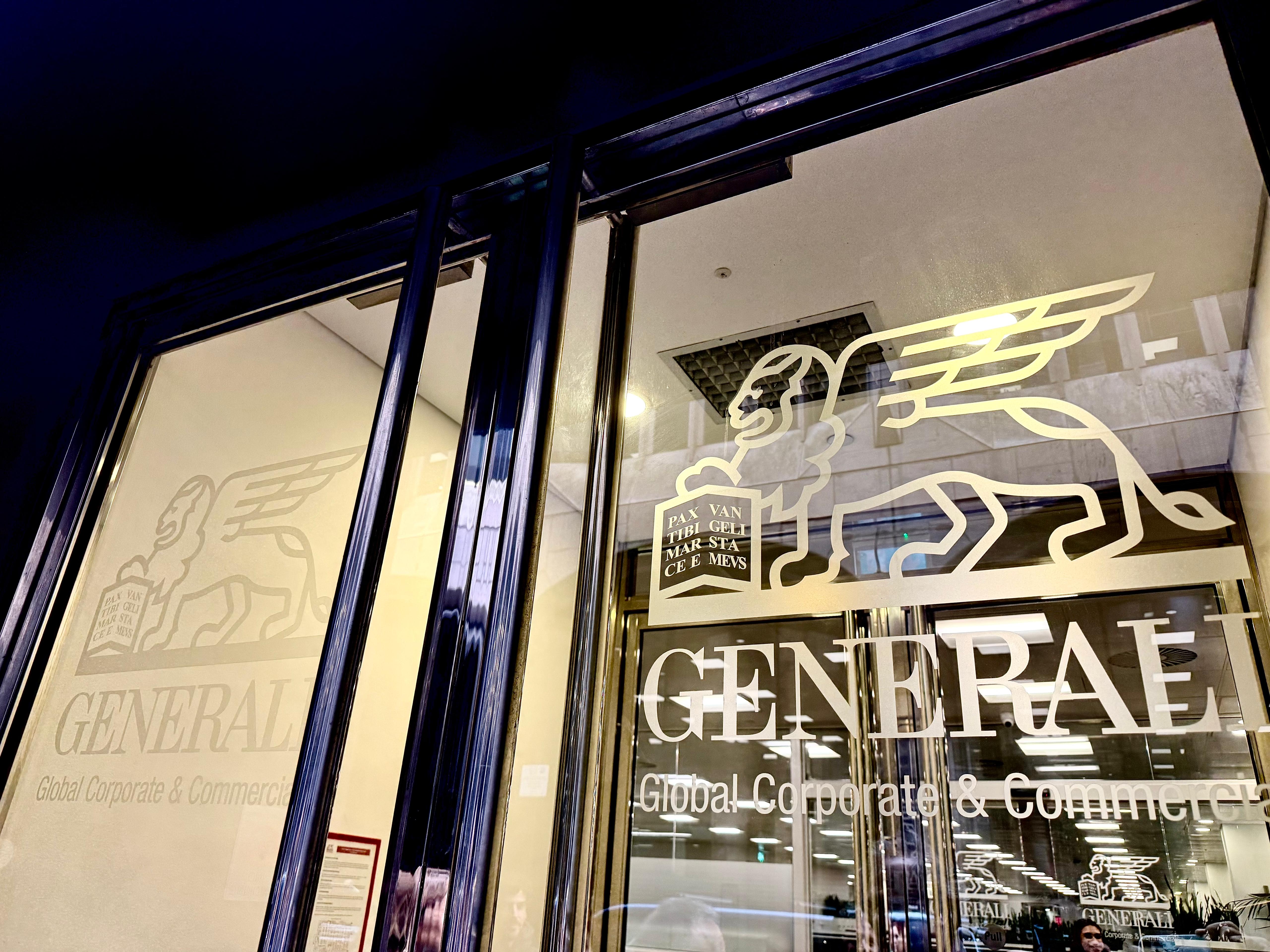
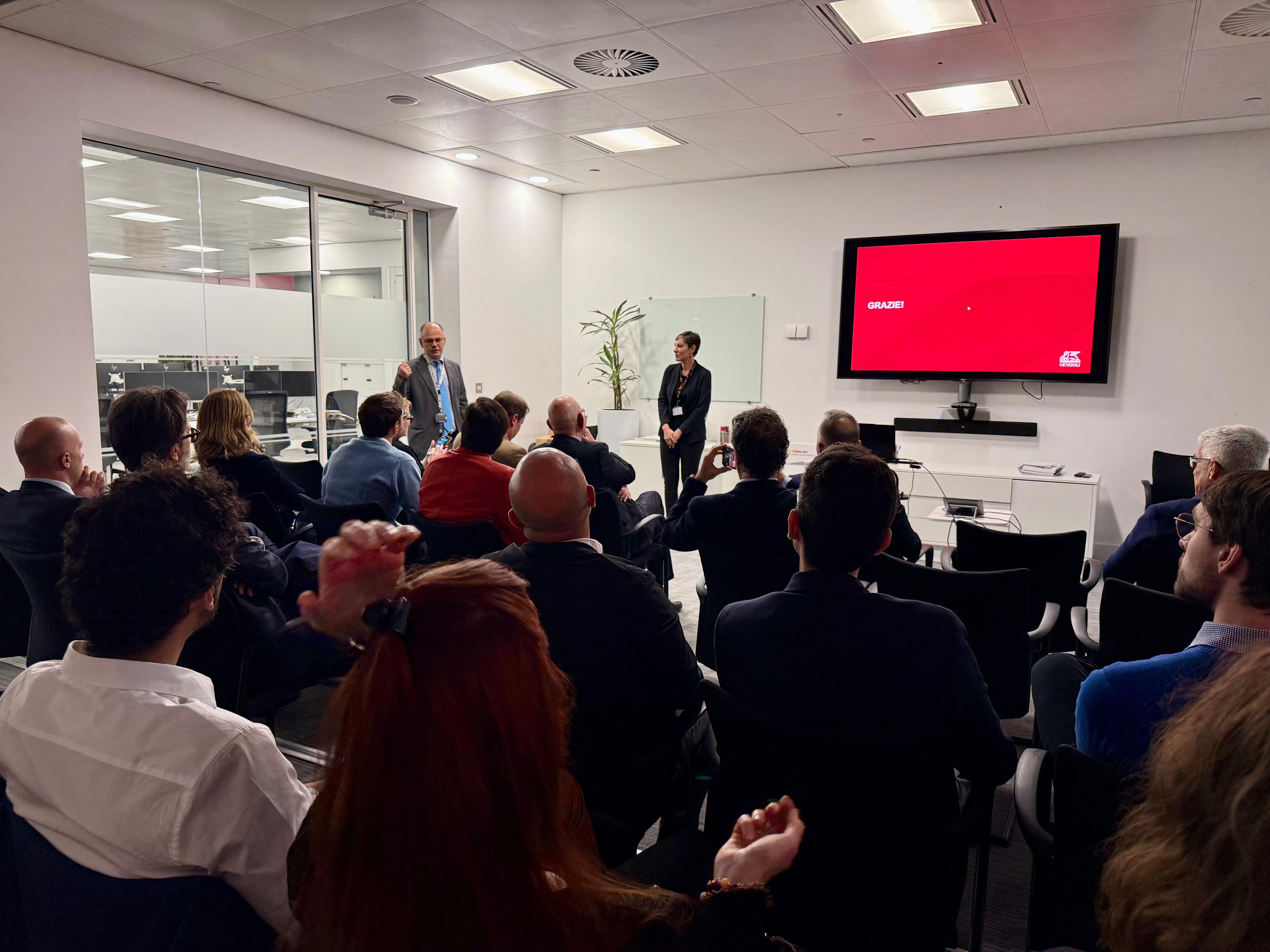
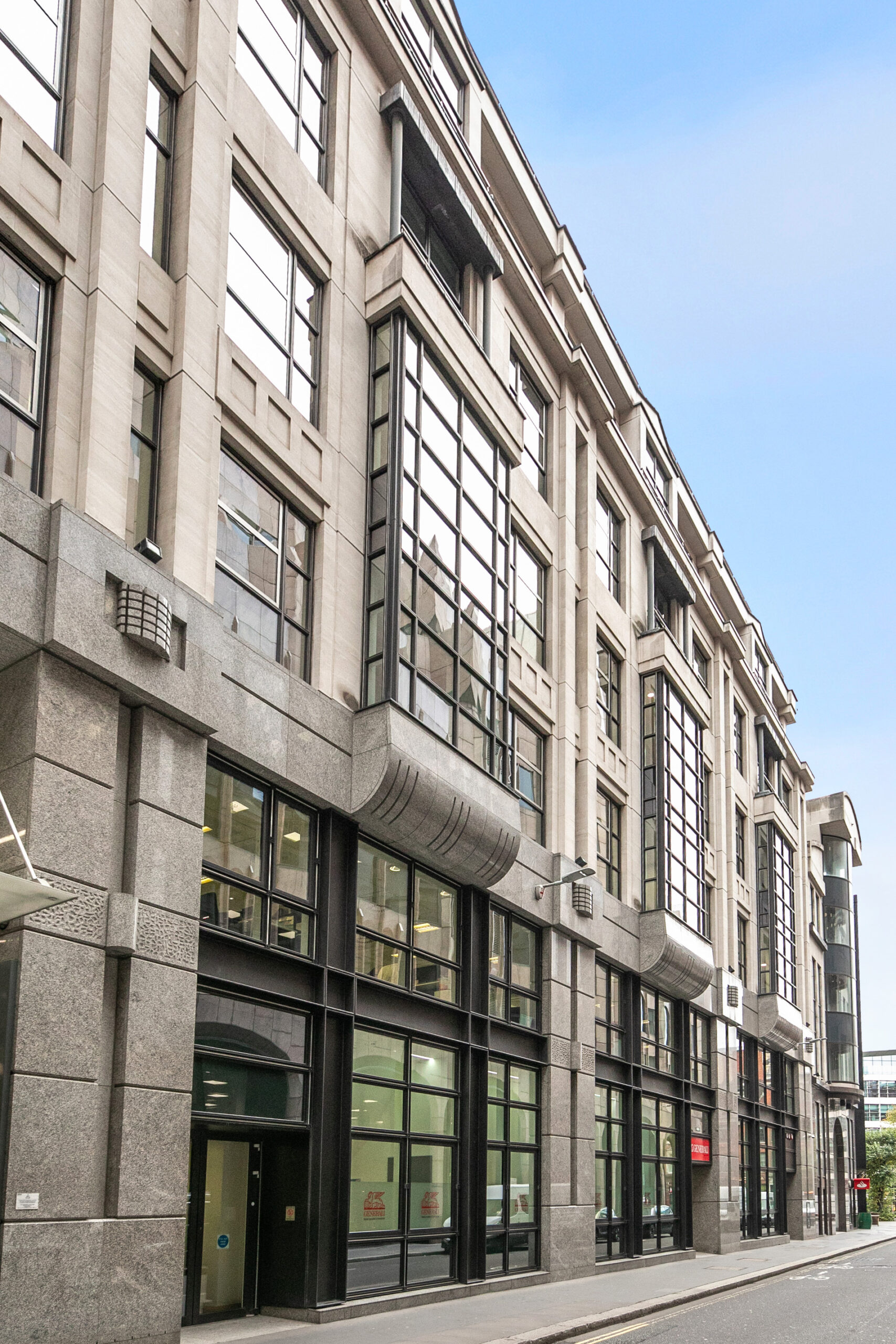
On 3 October 2025, an event dedicated to the history of Generali in the United Kingdom was held at the London headquarters of Generali Global Corporate & Commercial, in Mark Lane. The event, organised by the GC&C London function, was attended by representatives of the Museo dell’Assicurazione (MUDA) of Milan and the Insurance Museum of London, as well as by brokers, colleagues and members of the Generali Historical Archive.
Generali’s presence in London dates back to the company’s very foundation in 1831: as early as 1832, plans were being made to open an agency in the British capital, alongside the existing offices in Trieste, Venice, Budapest, Prague, Vienna, Karlovac, Genoa and Bordeaux. Although the project did not materialise immediately, the British market — together with the innovations emerging in the insurance field — remained under close observation. A distinctive feature of Generali’s approach, inspired by English insurance practices, was the introduction of fire marks: as early as 1832, the company used these plaques to identify insured buildings, following a custom that had originated in Britain and was first introduced in Trieste by Giuseppe Lazzaro Morpurgo, one of Generali’s founders. The founding in Trieste of the Austrian Lloyd in 1833 was also inspired by Lloyd’s of London and aimed to collect and share commercial and maritime information among its members. Generali was among the first participants in the consortium. In 1836, the so-called “second section” was created, dedicated to steam navigation routes, marking the birth of the Austrian Lloyd shipping company.
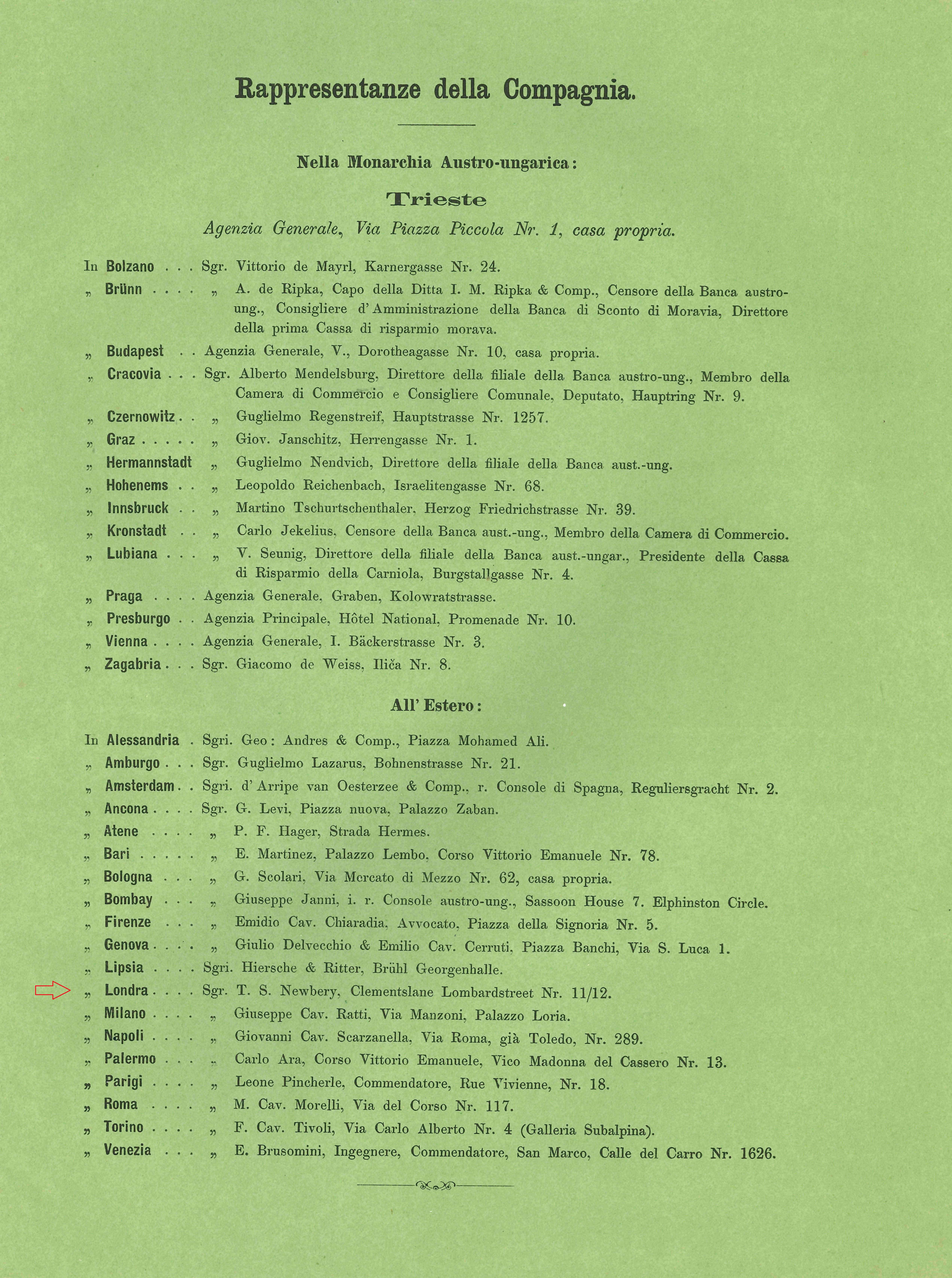
After several indirect collaborations and reinsurance activities with English and French companies, a turning point came in 1872 with the opening of the first Generali agency in London, in cooperation with the Hamburg-Bremer Feuer-Versicherungs-Gesellschaft, managed by T. S. Newbery. This period was marked by strong international expansion, with operations extending to markets such as the Americas, Australia and Cuba.
These were the years of Marco Besso, who saw in the British insurance tradition a model to follow — especially in the field of life insurance, which he viewed as the most complete expression of social welfare. Both technically and in terms of communication, Besso drew inspiration from that world, and his achievements were recognised when he was appointed Fellow of the Institute of Actuaries of London, the world’s oldest actuarial association — an honour granted to very few.
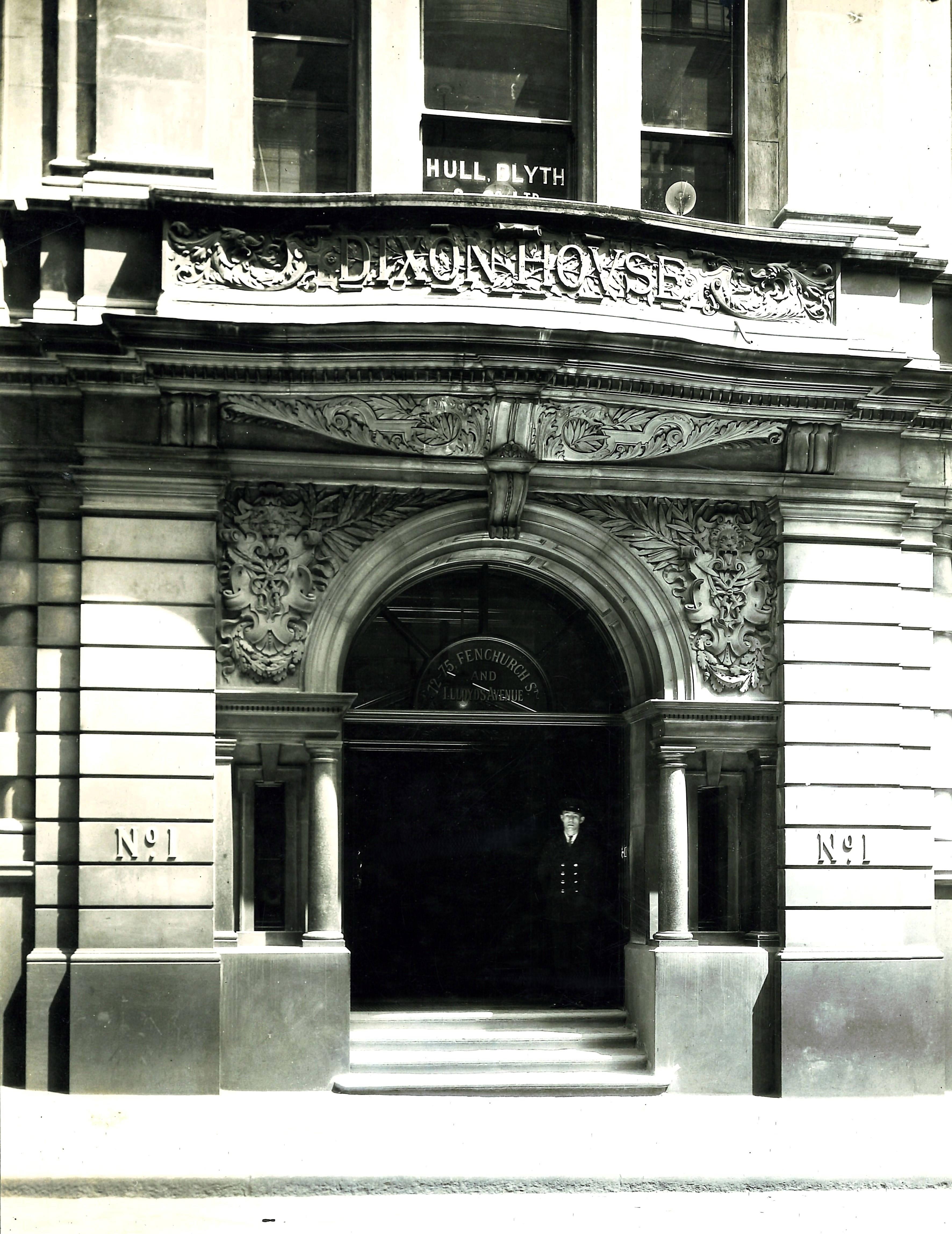
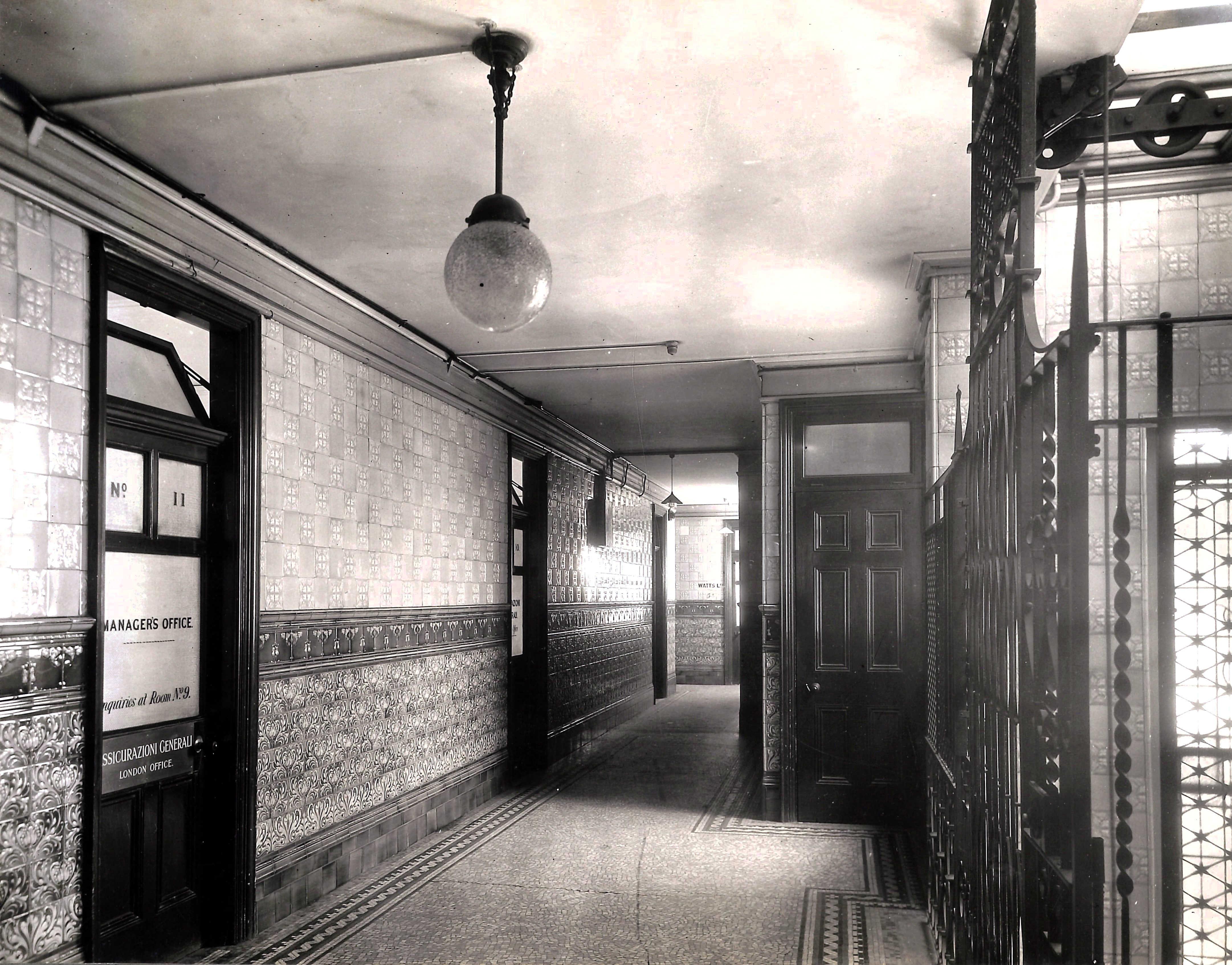
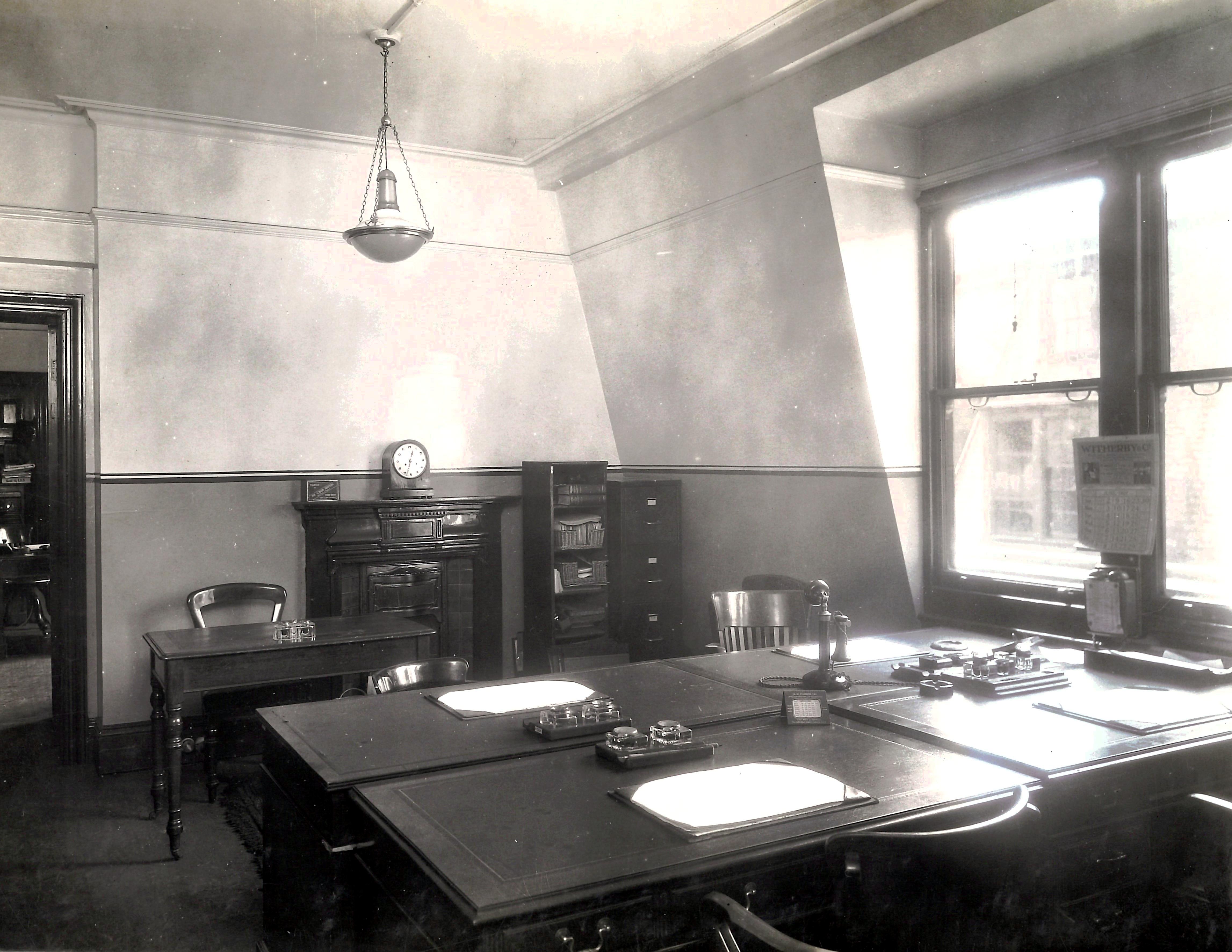
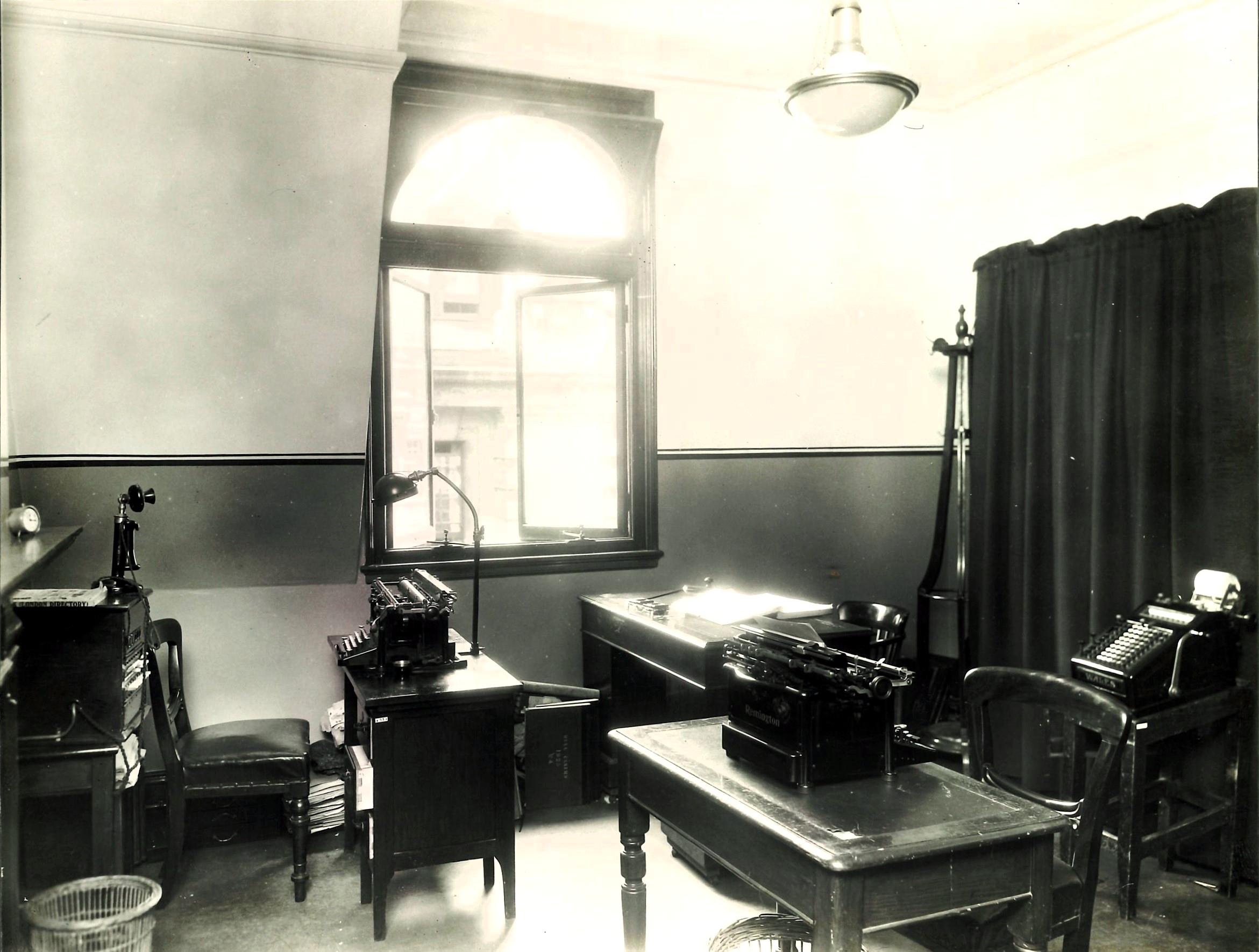
Over time, Generali faced challenges and change. The direct management of the London agency was replaced by partnerships with brokers such as Schutz & Lion and, above all, Willis, Faber & Co., who ensured the continuity of operations even during the most difficult periods. The office changed location several times — always within the City of London — moving from the Mansion House Buildings, Newbery’s first headquarters, to Dixon House, home to the London Office, the first representative office established after the First World War.
Operations were interrupted only between 1940 and 1945, when Italy entered the war against the United Kingdom.
Generali’s position in Britain was consolidated in the post-war period, particularly during the 1960s, when conditions became favourable for direct operations and the United Kingdom Branch (UKB) was established. This marked the start of a new era — a stable and structured presence in the British market.